
Why Is Your Washer So Noisy?
Introduction
Is your washing machine making loud banging, grinding or rattling noises during a wash cycle? Unusual sounds can be frustrating, especially when you are unsure whether the appliance is damaged.
A washing machine normally produces some noise while filling, washing, draining and spinning. However, sudden or unusually loud sounds may indicate an underlying mechanical problem. Loose objects, an unbalanced load, worn bearings or damaged internal components can all contribute to excessive noise.
Understanding these causes can help you identify when your washing machine needs attention. SameDay Fridge Repairs provides appliance repair assistance in Johannesburg to help address washing machine problems.
By Same Day Fridge Repairs, South Africa
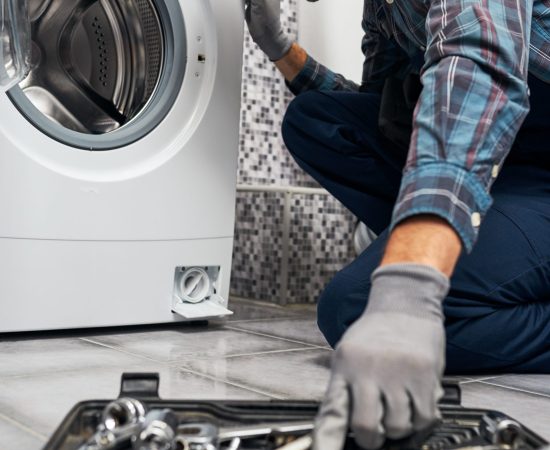

1. Why Is Your Washing Machine Making Loud Noises?
Different washing machine noises can indicate different problems. The timing and type of sound can help identify the possible cause.
Common reasons include:
An unbalanced washing load.
Loose objects inside the drum.
Worn drum bearings.
A damaged drive belt.
A faulty motor.
Loose internal components.
Damaged suspension components.
Incorrect washing machine installation.
Before arranging repairs, observe when the noise occurs. Does it happen during washing, draining or spinning? This information can help a technician diagnose the problem.
2. An Unbalanced Washing Machine Load
An unbalanced load is one of the common reasons a washing machine makes loud banging noises. This happens when clothes collect unevenly inside the drum.
Heavy items such as blankets, towels and jeans can create an uneven distribution of weight. During spinning, the drum may move excessively and cause the machine to shake.
Signs of an unbalanced load include:
Loud banging during the spin cycle.
Excessive machine movement.
Clothes collecting on one side of the drum.
The machine stopping before completing the spin.
Strong vibrations during operation.
What can you do?
Pause the washing cycle.
Wait until the drum stops completely.
Redistribute the clothes evenly.
Remove some items if the machine is overloaded.
Restart the cycle.
If the machine continues banging after balancing the load, the problem may involve its suspension or drum components.
3. Loose Objects Inside the Washing Machine Drum
Small objects can become trapped inside the washing machine during laundry. Coins, keys, buttons and other items may produce rattling or clicking sounds.
These objects can move around during washing and become trapped near the drum or filter.
Possible warning signs include:
Rattling during the wash cycle.
Metallic clicking sounds.
Scraping noises as the drum rotates.
Unusual sounds that appear suddenly.
What can you do?
Check the drum for visible objects after switching off the machine. Also inspect the rubber door seal for trapped items.
Check your manual before inspecting the accessible drain filter. Never reach into moving parts or dismantle the machine to retrieve an object.
If the noise continues, a trapped object may have moved into an internal component.
4. Worn Washing Machine Drum Bearings
Drum bearings help the washing machine drum rotate smoothly. Over time, these bearings can wear out because of regular use, moisture or component damage.
When bearings deteriorate, the machine may produce loud rumbling or grinding noises, particularly during spinning.
Common signs of worn bearings include:
A loud rumbling sound during spinning.
Grinding noises as the drum rotates.
Excessive drum movement.
Unusual vibrations.
Noise that becomes worse over time.
Bearing problems usually require professional attention. A technician can inspect the drum assembly and determine whether the bearings need replacement.
5. A Damaged or Loose Drive Belt
Some washing machines use a drive belt to transfer power from the motor to the drum. If the belt becomes loose, worn or damaged, it may cause squealing or unusual mechanical noises.
A damaged belt can also affect drum movement and prevent the machine from spinning correctly.
Look out for these symptoms:
Squealing sounds during operation.
The drum struggling to rotate.
Irregular spinning.
Unusual mechanical noises.
The machine failing to complete its spin cycle.
A technician can inspect the belt and replace it if necessary. Do not remove machine panels or attempt repairs without the appropriate experience.
6. A Faulty Washing Machine Motor
The motor powers the washing machine drum during different stages of the wash cycle. If it develops a fault, the machine may produce humming, buzzing or grinding sounds.
Motor problems can result from worn components, electrical faults or general wear and tear.
Possible signs include:
Loud humming during operation.
The drum struggling to turn.
Burning smells.
The machine stopping unexpectedly.
Unusual noises during spinning.
If you notice a burning smell or suspect an electrical fault, stop using the machine and disconnect the power only if it is safe to do so. Arrange professional assistance.
7. Loose or Damaged Suspension Components
Washing machines use suspension components to control drum movement and reduce vibration. These components help keep the drum stable during washing and spinning.
If the suspension system becomes worn or damaged, the drum may move excessively.
Common warning signs include:
Heavy banging during spinning.
Excessive shaking.
The machine moving across the floor.
The drum appearing unstable.
Loud knocking sounds during operation.
A technician can inspect the suspension system and determine whether any components require replacement.
8. An Incorrectly Installed Washing Machine
Incorrect installation can also cause excessive washing machine noise. If the appliance is not level or stands on an unstable surface, it may vibrate during operation.
Some new washing machines also have transport bolts that must be removed before use. Leaving these bolts installed can cause excessive vibration and potentially damage the appliance.
Check the following:
Whether the machine stands level.
Whether all feet make proper contact with the floor.
Whether the floor is stable.
Whether transport bolts were removed during installation.
Whether the machine has enough surrounding space.
Follow the manufacturer’s installation instructions. If the machine continues vibrating excessively, arrange a professional inspection.
9. A Blocked Drain Pump or Filter
A blocked drain pump or filter can produce humming, rattling or grinding noises. Small objects and debris may become trapped inside the drainage system.
This can interfere with water removal and affect the final spin cycle.
Signs of a drainage-related noise include:
Unusual sounds during draining.
Water remaining inside the drum.
Slow drainage.
The washing machine stopping before spinning.
Repeated drainage error codes.
Switch off and unplug the machine before inspecting an accessible filter. Follow the manufacturer’s instructions and avoid dismantling the drain pump yourself.
If the noise continues, the pump may require professional inspection.
10. What Should You Do When Your Washing Machine Makes Loud Noises?
If your washing machine suddenly starts making loud noises, take these steps:
Pause the cycle: Stop the machine if the noise is unusually loud.
Check the load: Look for unevenly distributed or excessive laundry.
Inspect the drum: Check for visible coins, buttons or other loose objects.
Check the installation: Make sure the machine is stable and level.
Observe the noise: Note whether it occurs during washing, draining or spinning.
Check for warning signs: Look for leaks, burning smells or excessive movement.
Do not continue using the machine if it makes severe grinding noises, moves violently or shows signs of an electrical fault.
11. When Should You Call a Washing Machine Repair Technician?
Some washing machine noises are caused by simple load or installation problems. However, persistent grinding, banging or rumbling may indicate damaged internal components.
Contact a professional when:
The washing machine makes loud grinding noises.
The drum produces a persistent rumbling sound.
The machine shakes excessively.
You suspect worn drum bearings.
The motor makes unusual noises.
The machine stops spinning correctly.
Basic troubleshooting does not resolve the problem.
Professional washing machine repairs can help identify damaged components and prevent further appliance damage.
12. How Can You Prevent Washing Machine Noise Problems?
Regular maintenance and correct usage can help reduce excessive noise and unnecessary wear.
Follow these practical tips:
Avoid overloading the washing machine.
Distribute clothes evenly inside the drum.
Check pockets before washing.
Remove visible objects from the drum and door seal.
Keep the machine level on a stable surface.
Follow the manufacturer’s installation instructions.
Clean the accessible drain filter regularly.
Use the recommended detergent quantity.
Arrange repairs when unusual noises first appear.
These simple habits can help keep your washing machine operating smoothly.
Professional Washing Machine Repairs in Johannesburg
A washing machine making loud noises may have an unbalanced load, loose objects or damaged internal components. Ignoring persistent noises can allow mechanical problems to become worse.
SameDay Fridge Repairs provides appliance repair assistance in Johannesburg. If your washing machine is making grinding, banging or unusual rumbling noises, professional assistance can help identify the cause.
Do not wait until a minor noise becomes a major breakdown. Contact SameDay Fridge Repairs to discuss your washing machine problem and arrange assistance.
Contact SameDay Fridge Repairs
Phone/WhatsApp: 073 993 0066 / 081 060 7071
Email: info@samedayfridgerepairs.co.za
Frequently Asked Questions
1. Why is my washing machine making a loud banging noise?
A loud banging noise may result from an unbalanced load, loose installation or damaged suspension components. If the noise continues after redistributing the clothes, arrange a professional inspection.
2. Why does my washing machine make a grinding noise when spinning?
Grinding noises may indicate worn drum bearings, a damaged motor or an object trapped inside the machine. Stop using the appliance if the noise is severe and arrange professional assistance.
3. Is it normal for a washing machine to make noise during spinning?
Some noise and vibration are normal during spinning. However, excessive banging, grinding or rumbling may indicate a mechanical problem that requires attention.
4. Can an unbalanced load damage my washing machine?
Repeatedly washing unbalanced or overloaded loads can place additional strain on the drum and suspension components. Distribute laundry evenly and follow the manufacturer’s load recommendations.
5. How much does washing machine noise repair cost in Johannesburg?
The cost depends on the cause of the noise and the parts required. Fixing an installation issue may be simpler than replacing worn bearings or a motor. Request a professional assessment for an accurate quotation.