
Common Cold Room Ice Problems
Introduction
Excessive ice build-up in a commercial cold room can affect cooling performance and disrupt business operations. Restaurants, supermarkets, butcheries and food suppliers depend on consistent refrigeration to protect their stock. However, when ice accumulates on evaporator coils, floors, walls or around doors, the refrigeration system may struggle to operate efficiently.
So, why is your cold room building up too much ice? Several factors can contribute to this problem, including damaged door seals, frequent door openings, blocked drainage and faulty defrost systems. Although some frost can occur during normal refrigeration operation, excessive ice usually indicates an underlying issue. In this guide, SameDay Fridge Repairs explains the common causes of cold room ice build-up and how professional repairs can help.
1. Frequent Cold Room Door Openings
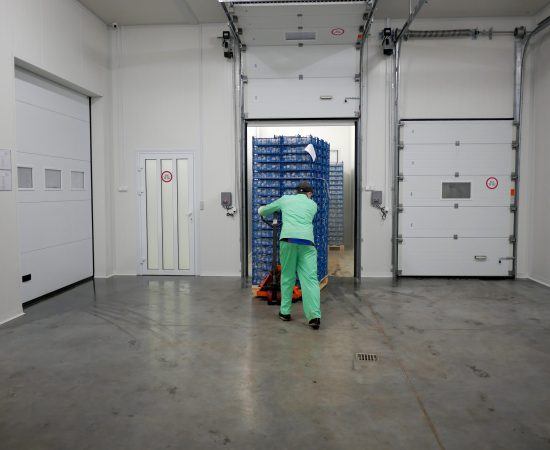
Every time someone opens a cold room door, warmer air can enter the storage area. This air carries moisture, which can settle on cold surfaces and freeze.
Busy businesses often experience this problem because employees access stored products throughout the day. Consequently, frequent door openings can increase moisture inside the cold room.
You may notice:
Ice forming around the doorway.
Frost accumulating near the evaporator.
Condensation on nearby surfaces.
Increased cooling times.
Temperature fluctuations during busy periods.
How to reduce the problem:
Keep the cold room door closed when not in use.
Avoid leaving the door open during deliveries.
Train employees to close doors properly.
Consider suitable strip curtains or air curtains where appropriate.
Monitor temperature changes during busy operating hours.
Reducing unnecessary door openings helps limit warm, humid air entering the cold room.
2. Damaged or Worn Cold Room Door Seals
Door seals prevent warm air from entering the cold room. However, damaged or worn seals can create gaps around the door.
These gaps allow moisture to enter continuously. When the moisture reaches cold surfaces, it can freeze and create excessive frost.
Common signs of damaged door seals include:
Visible cracks or tears in the rubber.
Gaps between the door and frame.
Ice forming around the doorway.
Condensation near the door.
Difficulty closing the door properly.
Inspect the seals regularly and look for visible damage. If the door no longer closes tightly, arrange for professional inspection and suitable replacement.
Replacing damaged seals can help maintain stable temperatures and reduce unnecessary ice formation.
3. Faulty Automatic Defrost System
Many commercial cold rooms use automatic defrost systems to remove ice from evaporator coils.
During normal operation, moisture can freeze on the evaporator. The defrost system periodically removes this accumulation so air can circulate properly.
However, a faulty defrost system may allow ice to accumulate faster than the system can remove it.
Possible causes include:
A damaged defrost heater.
A faulty defrost timer.
A defective temperature sensor.
Incorrect controller settings.
Damaged electrical connections.
When the defrost system fails, ice can gradually cover the evaporator coil. This restricts airflow and reduces cooling efficiency.
A refrigeration technician should inspect the defrost components and identify the faulty part.
4. Blocked Cold Room Drainage
Cold room defrost systems produce water when they remove accumulated ice. This water should flow through the drainage system and leave the equipment safely.
However, blocked or damaged drainage can prevent water from escaping properly.
When water remains inside the drain tray or pipe, it may freeze again. This can create additional ice around the evaporator and drainage area.
Look out for these warning signs:
Water collecting underneath the evaporator.
Ice forming around the drainage outlet.
Water dripping from refrigeration equipment.
Repeated ice accumulation after defrosting.
A technician can inspect the drain line, drain tray and any heating components. They can then clear blockages and repair damaged drainage parts.
Do not use sharp tools to remove ice around drainage pipes or refrigeration equipment.
5. Poor Air Circulation Inside the Cold Room
Air circulation helps distribute cold air evenly throughout the storage area. However, blocked vents and poorly arranged products can restrict airflow.
When airflow becomes restricted, certain areas may experience uneven temperatures. Ice may also accumulate on the evaporator because the system cannot circulate air correctly.
To improve circulation:
Keep products away from evaporator outlets.
Avoid stacking stock directly against cooling equipment.
Leave suitable space between stored products.
Keep return-air openings clear.
Avoid overloading the cold room.
Businesses should arrange stock carefully to support proper airflow. If ice continues accumulating despite adequate storage arrangements, the evaporator fan and refrigeration system may require inspection.
6. High Humidity Inside the Cold Room
Moisture plays an important role in ice formation. When humid air enters a cold room, moisture can condense on cold surfaces and eventually freeze.
Several factors can increase humidity:
Frequent door openings.
Wet products entering the storage area.
Poor door sealing.
Water collecting around the evaporator.
Inadequate moisture management.
For example, storing wet produce without allowing excess water to drain can increase moisture inside the cold room.
Businesses should minimise unnecessary moisture entering the storage area. They should also inspect door seals and drainage systems regularly.
If humidity problems continue, a refrigeration technician can assess the system and recommend suitable improvements.
7. Faulty Evaporator Fans
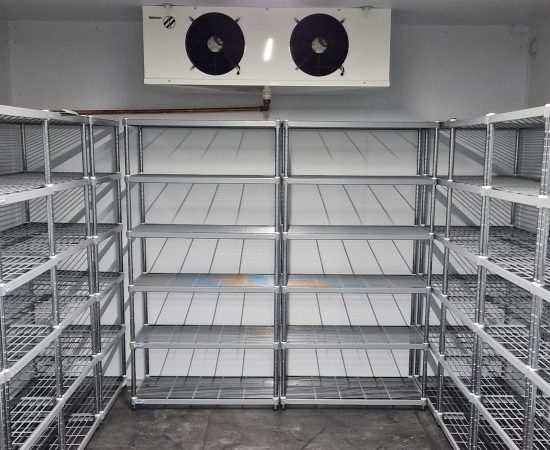
Evaporator fans circulate cold air across the cooling coil and throughout the cold room.
When these fans fail, airflow becomes restricted. As a result, ice may accumulate unevenly across the evaporator.
Possible causes include:
Damaged fan motors.
Faulty electrical connections.
Ice obstructing the fan blades.
Defective fan controls.
Worn mechanical components.
You may notice unusual noises, weak airflow or inconsistent temperatures.
A technician should inspect the fan assembly and check whether the motor, wiring or controls require repair. Restoring proper airflow helps the refrigeration system operate more effectively.
8. Incorrect Defrost Settings
Even when the defrost system works, incorrect settings can cause excessive ice accumulation.
For example, the defrost cycle may not run frequently enough or may stop before removing all the accumulated ice.
The correct settings depend on the refrigeration equipment, operating conditions and moisture entering the cold room.
A technician may need to inspect:
Defrost frequency.
Defrost duration.
Temperature sensor readings.
Defrost termination settings.
Fan operation after defrosting.
Changing settings without understanding the refrigeration system can create further problems. Therefore, let a qualified technician assess the defrost cycle and recommend suitable adjustments.
9. Refrigerant or Refrigeration System Problems
Sometimes, excessive ice build-up indicates a deeper refrigeration fault.
Problems involving refrigerant flow, expansion valves or system controls can affect evaporator operation. They may contribute to abnormal coil temperatures and uneven ice formation.
Possible warning signs include:
Repeated ice formation despite defrosting.
Poor cooling performance.
Unusual compressor operation.
Uneven frost patterns on the evaporator.
Frequent temperature alarms.
These problems require professional diagnosis. A technician can inspect the refrigeration circuit, measure operating conditions and identify the underlying fault.
Do not attempt to add refrigerant or adjust refrigeration valves yourself.
10. What Should You Do When Your Cold Room Builds Up Too Much Ice?
Excessive ice can restrict airflow and affect the cold room’s ability to maintain the correct storage temperature.
If you notice unusual ice accumulation, follow these steps:
Check the temperature: Use a reliable thermometer to monitor the actual storage temperature.
Inspect the door: Look for damaged seals and make sure the door closes properly.
Check airflow: Ensure products are not blocking the evaporator outlets.
Reduce unnecessary access: Keep the door closed whenever possible.
Look for warning signs: Record unusual noises, water leaks and temperature alarms.
Protect stored products: Follow your business’s food-safety procedures if temperatures rise.
Arrange professional repairs: Have a technician inspect the defrost system, drainage and refrigeration equipment.
Avoid chipping ice with knives, screwdrivers or other sharp objects. These can damage evaporator coils, refrigerant pipes and electrical components.
If the cold room contains temperature-sensitive products, act promptly to prevent stock losses.
11. How Can You Prevent Ice Build-Up in a Commercial Cold Room?
Preventative maintenance helps businesses reduce excessive frost and protect refrigeration equipment.
Use these maintenance practices:
Inspect door seals regularly.
Keep doors closed when not in use.
Clean refrigeration components according to manufacturer recommendations.
Check drainage outlets for blockages.
Monitor defrost operation.
Keep evaporator fans clear.
Avoid overloading storage areas.
Monitor humidity and temperature conditions.
Arrange regular professional refrigeration inspections.
Most importantly, investigate repeated ice accumulation instead of simply removing the visible ice. Otherwise, the problem may return.
12. Why Choose Professional Cold Room Repairs in Johannesburg?
A commercial cold room needs consistent cooling to protect stored products and support business operations.
However, excessive ice build-up can indicate problems with the defrost system, drainage, airflow or refrigeration equipment. Professional diagnosis helps identify the actual cause instead of treating only the visible symptoms.
SameDay Fridge Repairs assists customers looking for refrigeration repair solutions.
Professional repair assistance can help with:
Identifying the cause of excessive ice.
Inspecting faulty defrost components.
Diagnosing airflow problems.
Checking refrigeration performance.
Recommending suitable repair solutions.
Whether you operate a restaurant, supermarket, butcher shop or food-storage facility, addressing cold room problems early can help prevent further disruption.
Get Professional Cold Room Repair Assistance Today
Is your cold room building up too much ice?
Do not allow excessive frost to affect your refrigeration system or put your stored products at risk.
SameDay Fridge Repairs can assist with identifying refrigeration problems and recommending suitable repair solutions.
Contact SameDay Fridge Repairs today to discuss your cold room problem and request professional assistance in Johannesburg.
Call or WhatsApp: 073 993 0066 / 081 060 7071
Email: info@samedayfridgerepairs.co.za
Website: www.samedayfridgerepairs.co.za
Frequently Asked Questions
1. Why does my cold room keep building up ice?
Your cold room may build up excessive ice because of frequent door openings, damaged door seals, high humidity or a faulty defrost system. Blocked drainage and poor airflow can also contribute.
2. Is ice build-up in a cold room normal?
A light frost layer can occur during normal refrigeration operation. However, excessive ice that blocks airflow or does not clear during defrosting may indicate a problem that needs attention.
3. Can a faulty defrost system cause excessive ice?
Yes. A faulty defrost heater, timer, sensor or controller can prevent the evaporator from clearing accumulated ice properly.
4. How do I prevent ice from forming inside my cold room?
Keep doors closed, inspect seals, maintain good airflow and monitor the defrost system. Regular refrigeration maintenance also helps prevent excessive ice accumulation.
5. When should I call a cold room repair technician?
Contact a technician when ice repeatedly accumulates, airflow becomes restricted, temperatures rise or the defrost system stops working correctly. Prompt repairs can help prevent further damage.